Earthquakes are natural disasters that can cause widespread damage and destruction to buildings and infrastructure. In areas with high seismic activity, such as California, Alaska, and Japan, it is crucial to have proper measures in place to ensure the structural integrity of buildings during an earthquake. One of the key components of seismic design is the use of seismic braces, which are structural elements that help to resist the lateral forces generated by an earthquake.
seismic braces are designed to provide additional strength and stability to a building, helping it withstand the horizontal movement and shaking that occurs during an earthquake. These braces can take many forms, including steel braces, concrete walls, and reinforced masonry walls. The most common type of seismic brace is the diagonal steel brace, which is often used in steel frame buildings to provide added strength and stiffness.
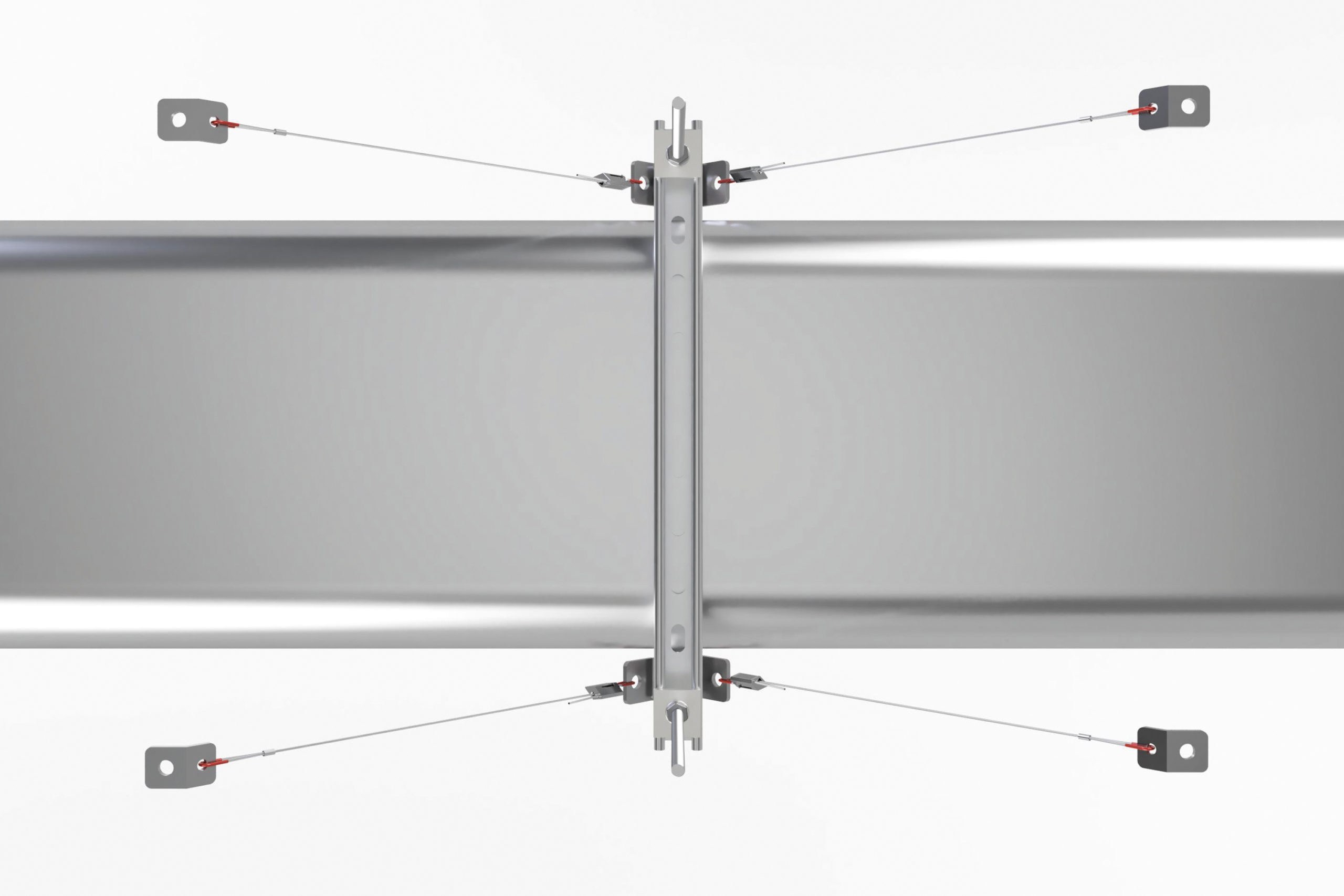
The primary function of a seismic brace is to prevent a building from collapsing or sustaining significant damage during an earthquake. When an earthquake occurs, the ground shakes back and forth, causing the building to sway from side to side. Without proper bracing, this lateral movement can cause the building to collapse or suffer structural damage. seismic braces help to absorb and dissipate the energy of the earthquake, reducing the impact on the building and minimizing the risk of collapse.
In addition to protecting the structural integrity of a building, seismic braces also help to protect the occupants inside. By reducing the amount of movement and shaking that the building experiences during an earthquake, seismic braces can help to prevent injuries and casualties. This is especially important in areas with dense populations, where even a moderate earthquake can have devastating consequences.
seismic braces are an essential component of earthquake-resistant design, and they are required in many seismic zones around the world. Building codes and regulations in these areas typically mandate the use of seismic braces to ensure the safety and stability of buildings during an earthquake. Engineers and architects must carefully consider the seismic forces that a building may experience and design the appropriate bracing to withstand these forces.
One of the key benefits of seismic braces is their ability to improve the overall performance of a building during an earthquake. By adding additional strength and stiffness to the structure, seismic braces can help to limit the amount of damage that occurs, reducing repair costs and downtime in the aftermath of an earthquake. This can be particularly important for critical facilities such as hospitals, schools, and government buildings, which need to remain operational during and after an earthquake.
Seismic braces are not only important for new construction but can also be added to existing buildings to improve their seismic performance. Retrofitting existing buildings with seismic braces can help to bring them up to current building code standards and reduce the risk of collapse during an earthquake. This is especially important in older buildings that may not have been designed to withstand the lateral forces generated by modern earthquakes.
While seismic braces are highly effective in reducing the risk of collapse during an earthquake, they do have some limitations. In very severe earthquakes, or in cases where the building is severely compromised, seismic braces may not be able to prevent collapse entirely. However, in the vast majority of earthquakes, properly designed and installed seismic braces can significantly reduce the risk of structural damage and protect the occupants inside.
In conclusion, seismic braces are a critical component of earthquake-resistant design in areas with high seismic activity. These structural elements help to improve the strength and stability of buildings, protecting them from collapse and minimizing the risk of injury or death during an earthquake. Engineers, architects, and building owners must prioritize the use of seismic braces in their designs to ensure the safety and resilience of buildings in earthquake-prone areas.