Seismic bracing, also known as seismic strap or seismic brace, is a crucial component in the structural design of buildings. These braces are used to reinforce the stability of a building during seismic events such as earthquakes. In this article, we will delve deeper into what seismic bracing is, its importance, types, and benefits.
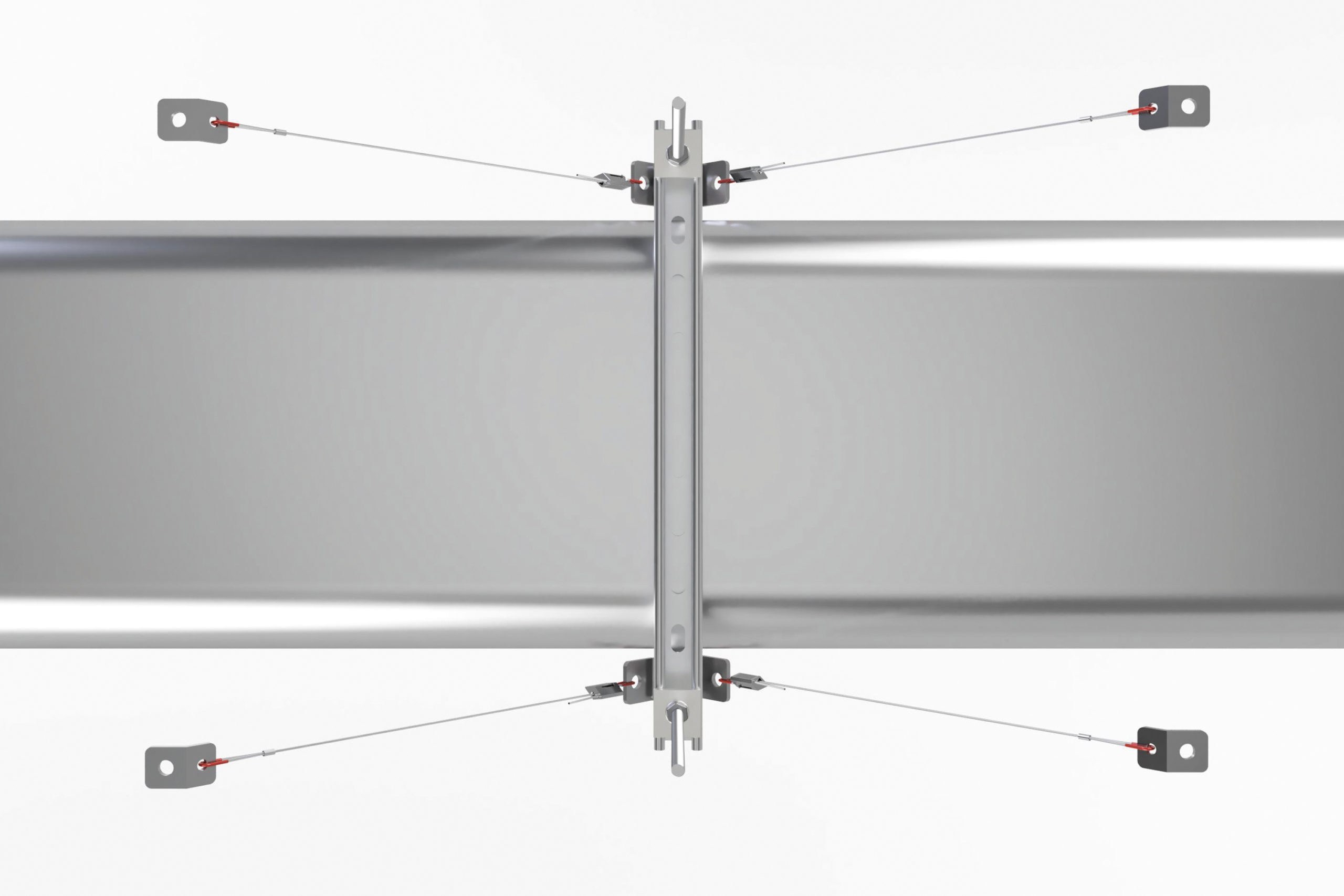
To begin with, seismic braces are installed in buildings to minimize damage caused by seismic forces. These braces are typically made of sturdy materials such as steel or reinforced concrete. When an earthquake occurs, the seismic braces absorb the energy generated by the seismic waves and transfer it to the building’s foundation. This helps to reduce the side-to-side swaying motion of the building, thereby preventing structural failure.
The primary purpose of seismic bracing is to protect the occupants of the building and safeguard the structure against potential collapse during an earthquake. By installing seismic braces, the building becomes more resilient to seismic forces, making it safer for those inside. This is especially important in seismic-prone areas where earthquakes are a common occurrence.
There are different types of seismic braces used in construction, each tailored to suit specific building requirements. The most common types of seismic bracing include:
– Buckling-Restrained Braces (BRBs): These braces are made of a steel core surrounded by a restraining jacket. BRBs provide high ductility and energy dissipation, making them suitable for buildings with high seismic demands.
– Eccentric Braces: In this type of brace, the center of rotation is offset from the center of the brace. Eccentric braces are used to provide both strength and ductility to a building’s seismic system.
– Dual System Braces: These braces combine different types of braces to enhance the overall seismic resistance of a building. Dual system braces are often used in tall buildings and high-risk structures.
– X-Bracing: X-bracing is a common form of seismic bracing where diagonal braces are installed in an X-shaped pattern. X-bracing provides stability in both directions and is widely used in steel-framed buildings.
The benefits of seismic bracing are numerous, with the primary one being the safety and protection it offers to building occupants. By installing seismic braces, the risk of structural collapse during an earthquake is significantly reduced, thereby saving lives and property. Additionally, seismic bracing can help minimize repair costs and downtime in the event of an earthquake, as buildings are less likely to suffer extensive damage.
Furthermore, seismic bracing can improve a building’s overall structural integrity and longevity. By enhancing the building’s resistance to seismic forces, seismic braces can prolong the lifespan of the structure and reduce the need for frequent repairs and maintenance. This not only ensures the safety of occupants but also saves costs in the long run.
In conclusion, seismic bracing is a vital component in the construction of buildings, especially in seismic-prone areas. By installing seismic braces, building owners can protect their properties, occupants, and investments from the devastating effects of earthquakes. With the right type of seismic bracing tailored to specific building requirements, structures can withstand seismic forces and remain standing even in the face of natural disasters. The importance of seismic bracing in ensuring the safety and stability of buildings cannot be overstated, making it a crucial consideration in modern construction practices.