In regions prone to earthquakes, ensuring the safety and stability of buildings is paramount. One essential component of earthquake-resistant construction is the seismic bracing system. This system plays a crucial role in protecting buildings and their occupants during seismic events by minimizing damage and reducing the risk of collapse.
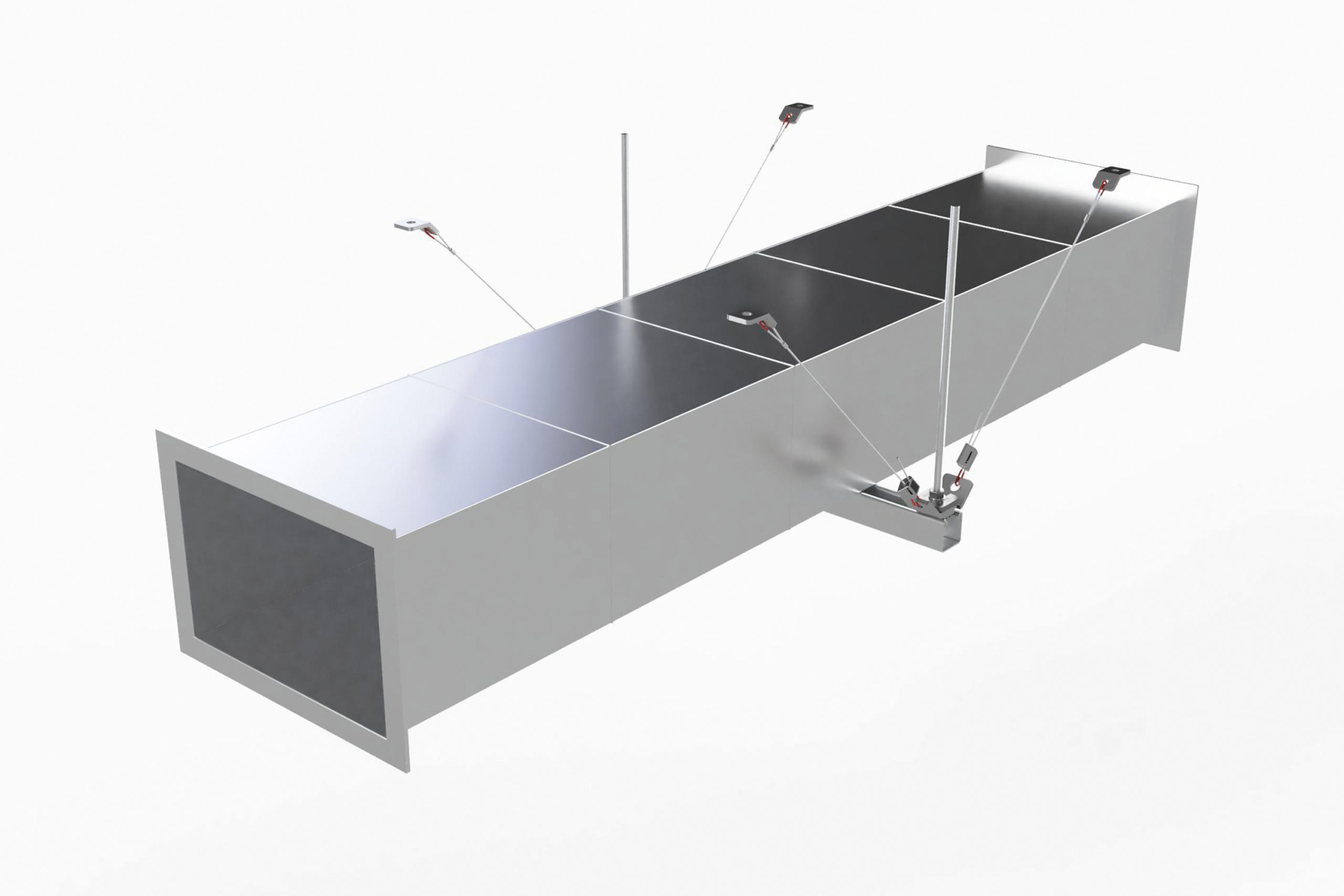
A seismic bracing system is a network of structural elements designed to absorb and dissipate the energy generated by seismic waves during an earthquake. These systems are typically installed in buildings with high seismic risk, such as skyscrapers, hospitals, and schools, to prevent structural failure and ensure the safety of occupants.
There are several types of seismic bracing systems, each with its own unique characteristics and advantages. One common type is the concentric bracing system, which consists of diagonal braces placed in the corners of a building to provide lateral support and prevent swaying during an earthquake. This system is effective in distributing seismic forces evenly throughout the structure, reducing the risk of localized damage.
Another popular type of seismic bracing system is the eccentric bracing system, which utilizes a combination of diagonal and vertical braces to provide both lateral and vertical support. This system is particularly useful in tall buildings where the risk of torsional motion is higher, as it helps to resist both lateral and twisting forces generated by seismic waves.
In addition to these systems, there are also damping devices that can be incorporated into a seismic bracing system to further enhance its effectiveness. Damping devices, such as viscous dampers or friction dampers, help to absorb and dissipate seismic energy, reducing the amplitude of vibrations and minimizing damage to the structure.
The installation of a seismic bracing system requires careful planning and engineering expertise to ensure its effectiveness. The system must be designed to withstand the forces generated by a range of potential seismic events, taking into account factors such as building height, weight, and location. In many cases, computer modeling and simulation are used to analyze the behavior of the structure under seismic loads and optimize the design of the bracing system.
Once the design phase is complete, the seismic bracing system is installed and integrated into the building’s structural framework. This process involves attaching braces to columns, beams, and other load-bearing elements to create a network of interconnected supports that can resist seismic forces in all directions. Proper installation is critical to the system’s performance and must be carried out by trained professionals to ensure its reliability.
The benefits of a seismic bracing system extend beyond just protecting the building itself. By reducing the risk of structural failure and collapse, these systems also help to safeguard the lives of occupants and emergency responders during an earthquake. In addition, they can minimize downtime and repair costs associated with earthquake damage, allowing buildings to quickly resume normal operations after a seismic event.
In conclusion, seismic bracing systems are an essential component of earthquake-resistant construction that play a vital role in ensuring the safety and stability of buildings in seismic-prone regions. By dissipating seismic energy and reducing the risk of structural failure, these systems help to protect both buildings and their occupants during earthquakes. Investing in a well-designed and properly installed seismic bracing system is a proactive measure that can save lives and prevent costly damage in the event of a seismic event.